By Joslyn DelSignore / Jambar Contributor
In recent years, a stigma has developed around Generation Z and its social interaction habits.
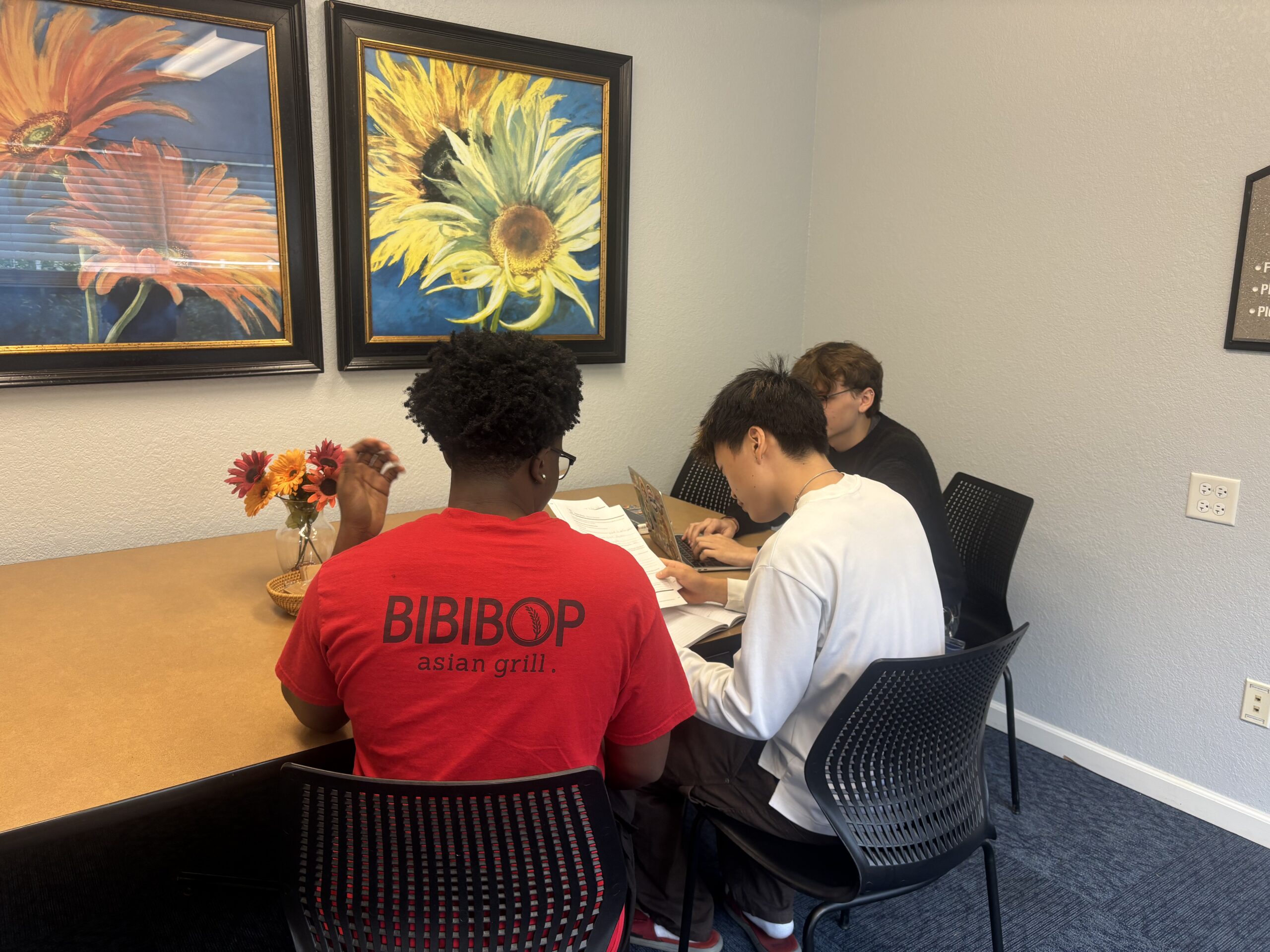
A common claim is that students on college campuses lack student engagement. While every university is different, Joy Tang, associate professor in the department of psychological sciences and counseling, said Youngstown State University is essentially aligned with national trends.
Tang said the coronavirus pandemic was a major factor in the decrease of student engagement. She conducted a study on the topic at YSU from fall 2019 to spring 2021.
Tang said she found academic, extracurricular, intellectual, online, peer and staff engagement all decreased during that time period. She also said the effects of the pandemic could have affected student engagement when returning to campus after lockdown.
“The generation that was really affected by COVID, they probably lacked some socialization, engaged social engagement, practice during that lockdown period, which caused them to have trouble maybe coming back to it after they are reintegrated into society,” Tang said.
Tang said another contributing factor to the lack of student engagement could be the rising trend of depression and anxiety for Gen Z nationally.
With YSU labeled as a commuter university, Tang said students with busy lives outside of classes, such as jobs, family responsibilities and living off campus, could make campus engagement more challenging.
However, Tang said nationally, student engagement is making a comeback.
“Student engagement on campus definitely took a plunge right after COVID,” Tang said. “The general trend is, it’s coming back, so I would expect similar trends for YSU.”
Tang conducted a study on YSU’s campus alongside a student who was involved in Fraternity and Sorority Life, formerly known as Greek Life, that focused on the Self-Determination Theory.
Center for Self-Determination Theory defines the theory as “a broad framework for the study of human motivation and personality.”
Tang said the theory covers three main areas — relatedness, autonomy and competency. Relatedness refers to a sense of belonging or relationships with others. Autonomy is the feeling of making one’s own decisions, and competency is believing one has the ability to do things well.
Tang said she studied three demographics of YSU students — students not belonging to any group, students who participate in extracurriculars, excluding Fraternity and Sorority Life, and students in Fraternity and Sorority Life.
Tang said she discovered students not belonging to any group were the lowest in relatedness, autonomy and competency. Students in extracurriculars, excluding Fraternity and Sorority Life were in the middle, whereas students in Fraternity and Sorority Life were the highest in all three areas.
In addition to Tang, Allison Bye, associate director of Kilcawley Student Programming, said she believes student engagement benefits students academically and professionally.
“While academically it’s important to go to class, it’s also really important to engage with your peers. That means joining student organizations, building your networks, so that way you’re prepared after graduation,” Bye said. “There’s lots of different things, both academically and nonacademically, that students can get involved in to enhance their experience as a student here at YSU.”
The construction closure of Kilcawley Center could also prevent student engagement. However, Bye said she feels the construction is making students more creative and pushing them to branch out with meeting spaces.
“I think that, by and large, students are still engaging with each other, it just might not look as traditional,” Bye said.
Bye said Student Activities has over 150 different student organizations, listed on the YSU app. If students have any questions about them, they can visit the office of Student Activities in the basement of Silvestri Hall.
Tang said students struggling to engage with their peers have resources on campus to help, such as Accessibility Services and Student Counseling Services.
“With the increasing student support staff we have on campus, I know we have resources to help students get more integrated,” Tang said.