By Iris Martin Jambar Contributor
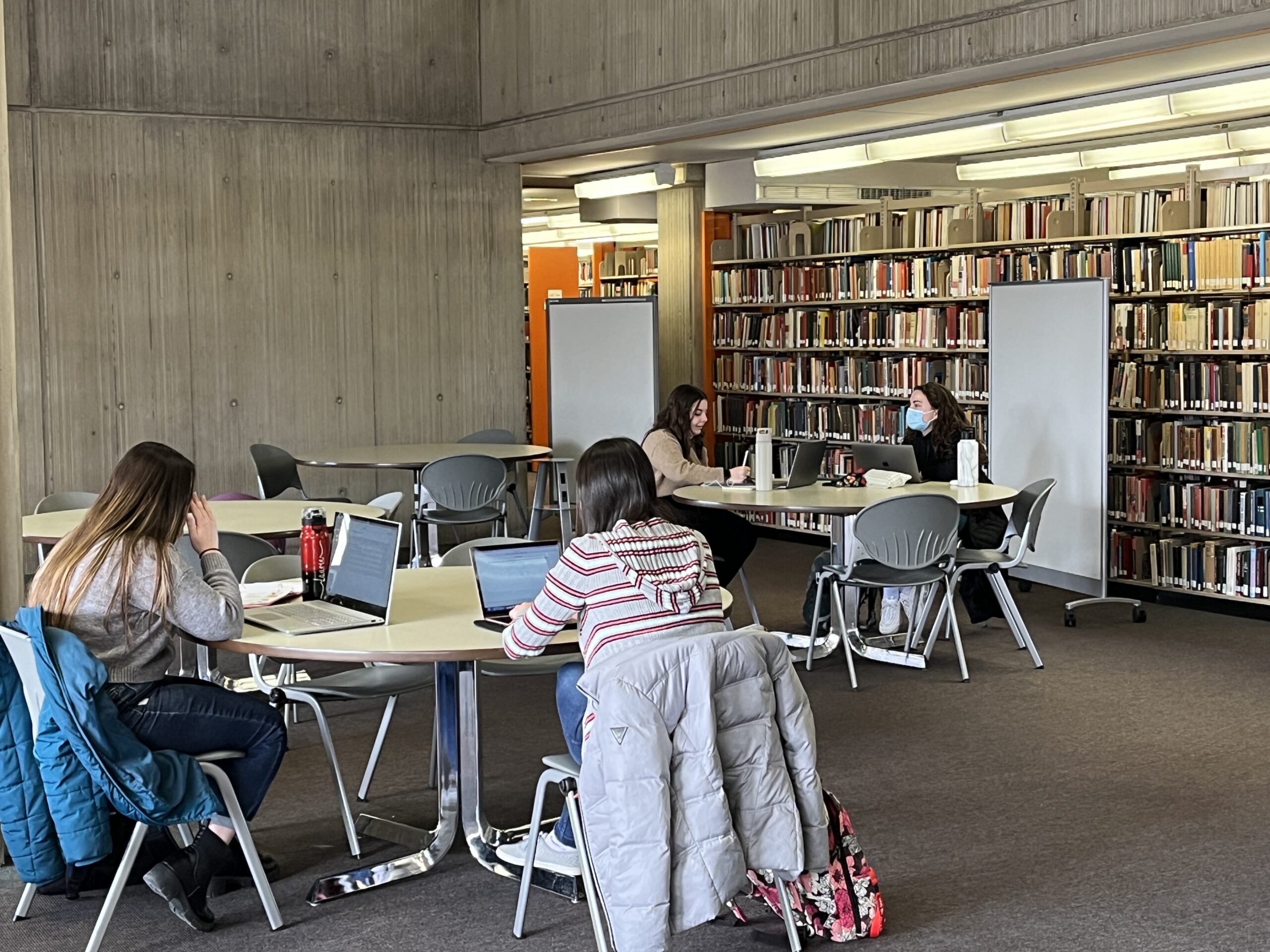
Between social media notifications, academic deadlines and extracurricular responsibilities, college students struggle to manage their time. Youngstown State University instructors say organization and limiting distractions can help students build better study habits and maintain a healthy balance between school and personal life.
Stephanie Caldwell, lecturer of English and world languages at YSU Steubenville, who also teaches English classes at the main campus, asks her students to keep cyberlogs to track their habits and distractions during studies.
While some students do the assignment only to complete it, Caldwell said others engage and begin to learn about their habits.
“You will have students kind of making the connection, ‘I have no idea what takes up that much of my time distracts me so many hours out of the day,’” Caldwell said.
Caldwell said few of her students log less than eight hours of phone usage out of the 24-hour day and that the assignment encourages students to reflect on how they spend their time.
“If they are engaging with the material, and they realize, ‘This is how I can be more mindful for my time management,’” Caldwell said.
Time management can look different for every student, depending on academic demands, employment and extracurricular activities.
Casey Henderson, graduate assistant at Resch Academic Success Center, said time management and organization is important. Henderson said organization can help students manage competing responsibilities.
“With time management, which is a big one that we see in the success center, It’s all about organization,” Henderson said.
One strategy she recommends is creating a semester calendar to map out responsibilities including assignments, tests, quizzes, work schedules, sports and other extracurriculars.
Henderson said by recording upcoming deadlines and activities, students can better understand what affects their time. She said this can help students identify busy periods in advance, rather than waiting until deadlines approach, which allows students to recognize when they need to adjust their schedules for unexpected responsibilities.
Notifications, buzzing phones and the temptation to look at social media can interrupt study sessions. Even when students take a short break, Henderson said distractions can turn a pause into an interruption.
“At the end of the day, the phone is still a distraction, and it cannot be anywhere in the room with you when you are studying,” Henderson said.
Storing phones away from study spaces can reduce interruptions and help students pay attention to assignments.
One strategy is the Pomodoro technique, which Henderson said breaks studying into focused work sessions, followed by short breaks.
The technique encourages students to work for about 40 minutes before taking a 10-minute break. However, Henderson said students who struggle with longer sessions can shorten the intervals to better fit their needs.
Given students’ differing needs, Henderson said coaching isn’t the same for every student.
“Everybody comes to the table with something different, and while I do have strategies that I go to first, at the end of the day, you have to be flexible, and you have to recognize the fact that they are not going to work with every single student,” Henderson said.
Interviewees
Casey N. Handerson- cnhenderson@student.ysu.edu
Stephanie E. Caldwell- secaldwell@ysu.edu