By Benjamin Davis / The Jambar
Though small in size and population, the European country of Hungary has gained international attention. In April of this year, parliamentary elections were held for the Hungarian National Assembly.
The elections resulted in the defeat of the Hungarian Civic Alliance, commonly called Fidesz and led by Prime Minister Viktor Orbán, by the Respect and Freedom Party, commonly called Tisza and led by Péter Magyar.
This marks a notable shift in Hungarian politics, as Orbán has served as prime minister for sixteen years. Adam Fuller, political science professor at Youngstown State University, provided insight into Orbán and the Fidesz party overall.
“Viktor Orbán and the Fidesz party is a very nationalistic right-wing party that is very populist,” Fuller said. “[He] has been very much against immigration and been very defiant of a lot of the European Union’s trends over the last several decades.”
Before becoming Fidesz’s largest opponent, Fuller said Magyar was originally a member of the party who had broken ranks with Orbán over concerns about corruption.
“Magyar was once a member of Fidesz,” Fuller said. “He, two years ago, broke ranks with Orbán’s party because of a lot of the corruption charges that were taking place and founded his own party, and it looks like won pretty big in this last election.”
Fuller said this perceived corruption within Fidesz is a result of the party ruling Hungary for years and becoming comfortable in its position of power.
“A lot of that came from the fact that they had governed for so long and became so comfortable with power,” Fuller said. “Corruption and dirty politics is what tends to go align with when taking your power for granted, and that’s what happens when your shelf life in politics comes to an end.”
While being a conservative party, Magyar and Tisza sit on the center-right of the political spectrum, as opposed to the more rightward position of Fidesz. Despite some similarities, Fuller said Magyar differs from Orbán on proposed policies in economics and foreign affairs.
“He’s much more committed to the free market than Orbán was. They’re pretty much the same on immigration issues,” Fuller said. “One fundamental distinction though, specifically on foreign policy, is that Orbán is far more supportive of [Vladimir] Putin and Russia, or to put it a different way, not as fearful of Putin, whereas Magyar is, and he considers Putin to be a very dangerous man.”
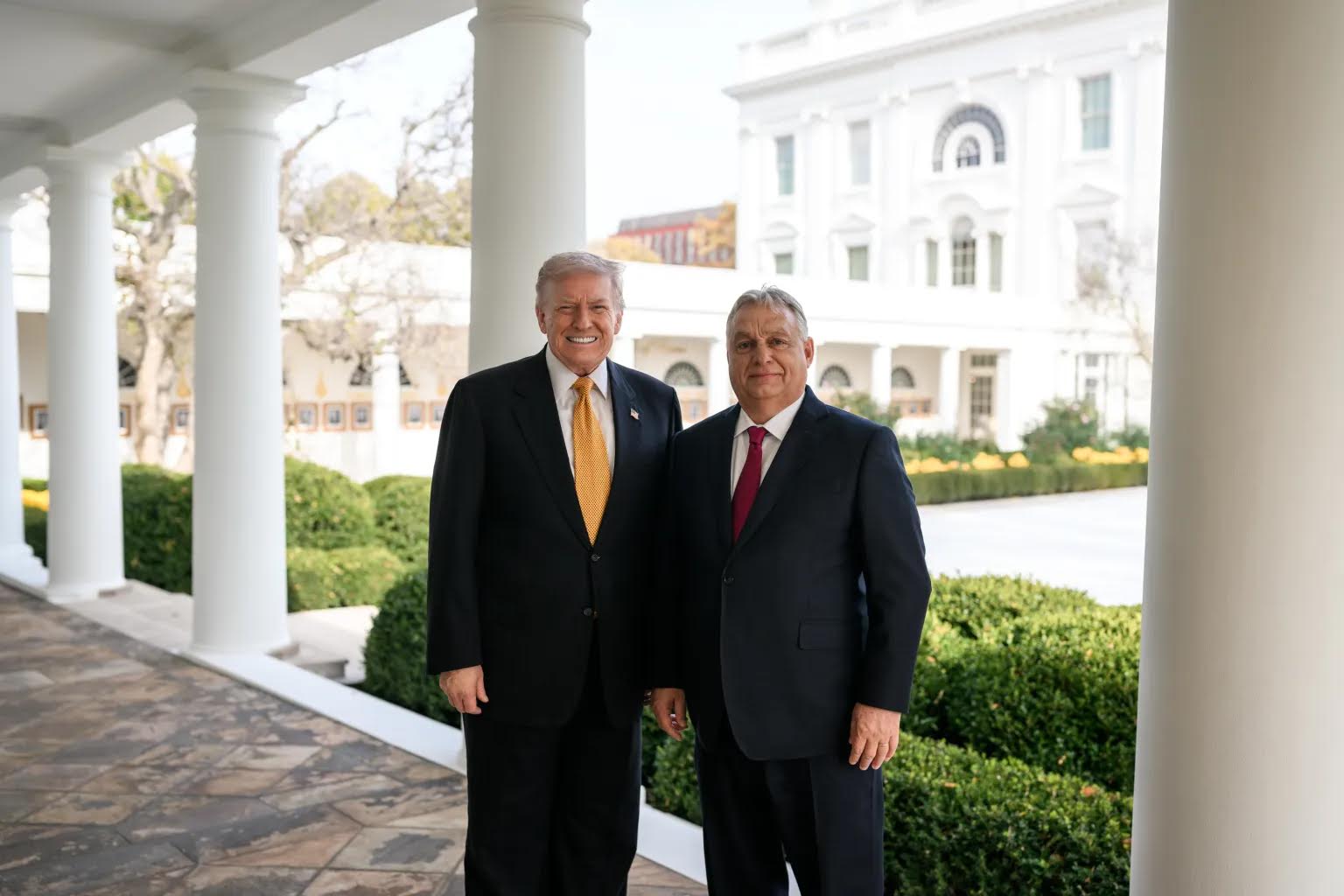
During his time in office, Orbán had become popular among many right-wing movements around the world. He had also become a close ally to U.S. President Donald Trump, and Vice President J.D. Vance visited Hungary to support Orbán during the election.
“[Orbán’s] someone that is quite popular on the populist right in pretty much every country, and the United States is now less different,” Fuller said. “He’s been very much someone that the [Make America Great Again] movement has been quite fond of.”
Despite this close partnership with Orbán, Fuller said he predicts that the Trump administration will maintain close ties with Hungary and the new Magyar government.
“[What] we could assume so far at this point is that Trump is probably going to have a very similar relationship with Magyar as he did with Orbán,” Fuller said.
Magyar hopes to be sworn in as the new prime minister May 9 or 10. The full effects of his new administration are yet to be seen.